
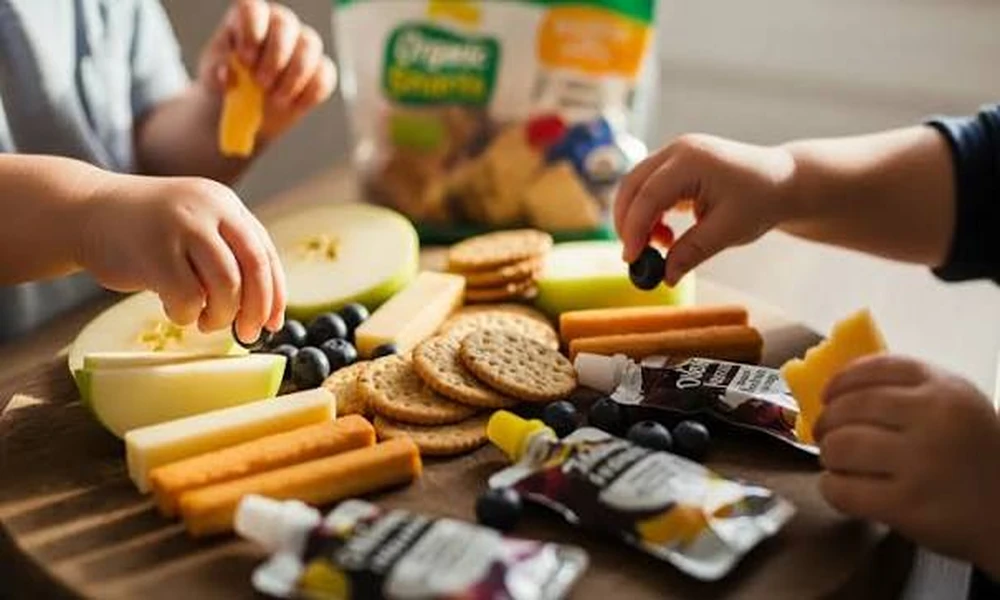
Lunchbox contents have changed noticeably in local kitchens over the past decade. More parents now read labels before tossing anything into the trolley. Demand for organic toddler snacks has grown as households look for fewer synthetic extras. Certified products avoid most artificial pesticides, colours or flavours. Price, availability, plus nutrition still shape what ends up in small hands. The sections below look at what parents weigh up before buying.
Certification Logos Matter Here
No single law tightly controls certification claims on locally sold products. Trusted logos such as the ACO bud or NASAA show that independent checks took place. These bodies audit farms plus factories every year. Parents often look for one of these marks before buying.
Price Remains a Real Factor
Certified treats usually cost noticeably more than conventional versions. Higher farming costs plus smaller production runs explain much of that gap. Many households balance budgets by buying certified versions of a few staples only. Supermarket home brands have narrowed the price difference in recent years.
What Parents Check on Every Packet
Busy shoppers rely on quick checks at the shelf. These points come up most often in parent discussions.
- Certification logo from an independent body printed clearly on packaging.
- Added sugar levels compared per hundred grams across similar products.
- Sodium content kept low for young kidneys still developing properly.
- Allergen statements confirming whether nuts, dairy, or gluten are present.
- Texture suited to the child’s current chewing skills plus age.
- Portion size small enough for little stomachs between main meals.
- Packaging that reseals well for use across several outings.
- Short component lists made up of simple, recognisable words.
Daycare Rules Shape Lunchbox Choices
Many centres follow strict nut-free policies to protect children with allergies. Some also discourage high sugar items or heavily processed treats. Parents therefore look for products that meet these guidelines without fuss. Single-serve packets make sharing restrictions easier to follow.
How Much Do Certified Treats Improve Child Nutrition?
Research shows certified produce generally carries lower pesticide residues than conventional versions. Evidence for major nutrient differences is far less clear. Most experts agree the overall diet matters more than any single label.
That means organic toddler snacks work best alongside fresh produce, dairy, or whole grains at main meals. A certified biscuit high in sugar is still a biscuit. Parents get the most value by checking sugar first. Certification then becomes a useful second filter.
Home-Made Options Still Help
Plenty of parents mix bought treats with simple home preparation. Cut produce, plain yoghurt, or homemade muffins often cost less per serve. Preparing extras on weekends saves time during busy weekdays.
Comparing Common Store-Bought Options
Store shelves now carry many certified choices. Each type suits different moments in the day. Nutrition varies widely between categories. The table compares typical options.
| Product Type | Typical Use | What to Watch |
|---|---|---|
| Puffs or melts | Self-feeding practice | Added sugar or flavours |
| Fruit pouches | Quick energy on the go | High natural sugar, little fibre |
| Crackers or rice cakes | Lunchbox fillers | Sodium levels |
| Bars | Longer outings | Syrups used as binders |
| Yoghurt bites | Light morning treats | Added sweeteners |
Weekly Budget Ideas for Households
Certified products can strain a weekly budget. Mixing approaches keeps costs manageable. Planning ahead also reduces waste. The table shows simple ideas.
| Approach | How It Helps | Best Suited For |
|---|---|---|
| Buy larger packs | Lower cost per serve | Regular favourites |
| Choose supermarket home brands | Cheaper certified versions | Basic staples |
| Mix in home preparation | Fewer packaged items needed | Weekend planners |
| Shop seasonal produce | Lower prices during peak supply | Fresh lunchbox fillers |
| Freeze homemade batches | Less waste across busy weeks | Larger households |
Common Doubts Parents Raise at the Shelf
· Are certified treats always healthier? Not always, since sugar or salt can still be high.
· Which logos show genuine certification? Look for the ACO bud, or NASAA marks on packaging.
· Do certified products contain fewer pesticides? Yes, studies generally find lower residues compared with conventional products.
· How many treats suit young children daily? Two small servings between main meals usually work for most children.
· Are fruit pouches a good choice? Occasionally, though whole produce offers more fibre plus chewing practice.
· Do supermarket home brands meet certification standards? Many do, so check for an independent logo before buying.
Steady Choices Build Healthy Routines
Good diets for young children rely on balance rather than logos alone. Check sugar levels first, then confirm an independent certification mark. Mix shop-bought options with simple home preparation to manage costs. Some weeks will include convenience treats, which is completely normal. Regular, sensible decisions add up to far greater benefits than chasing perfection.