
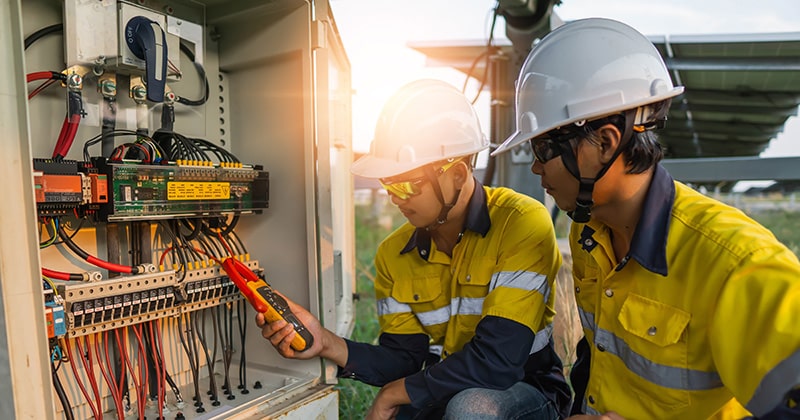
The electrical industry is evolving alongside modern technology. New systems and devices are regularly appearing in both residential and commercial spaces. From smart thermostats to solar panels, today’s electricians need to know much more than just the basics. They must be ready to install, repair, and maintain a wide range of modern equipment.
A Mix of Learning and Doing
Apprenticeships, such as the IECRM electrical apprenticeship training, are unique because they combine classroom instruction with hands-on work. Instead of only studying electrical systems in books, apprentices gain hands-on experience with real equipment. They might spend part of the week learning about the latest safety rules or how to read blueprints.
This way of learning helps information stick. When someone learns about a new tool or code in class, they get to use it soon after. It’s much easier to remember something after actually doing it. Also, apprentices get a paycheck while they learn.
Adapting to New Technology
The electrical field is changing quickly. New products and systems are constantly cropping up in the market, each more advanced than the previous one. Electricians now work with smart lighting, home automation, electric vehicle chargers, and renewable energy systems. These aren’t just add-ons, they’re becoming standard in many buildings.
Apprenticeship programs keep pace with these changes by regularly updating their lessons. If a new type of solar panel or smart device becomes popular, instructors ensure that apprentices understand how it works. Many teachers have years of experience and stay current with industry trends. They share real stories from the field, helping apprentices understand the “how” and “why” behind new technology.
Learning Complex Problem-Solving Skills
Every day brings something new for an electrician. One day might involve fixing a simple outlet, while the next could mean troubleshooting a complex automation system. Apprenticeships teach more than just technical skills; they help future electricians develop strong problem-solving abilities.
When apprentices face something unfamiliar, they learn to ask questions, do research, and try different solutions. This flexible way of thinking is crucial, especially as technology continues to evolve. Being able to figure things out on the fly is just as valuable as knowing the rules and codes.
Exposure to Modern Electrical Technologies
Apprentices are gaining first-hand experience with the latest technologies shaping the electrical industry. Their training now includes working with smart home devices, electric vehicle charging stations, solar panel systems, and automated lighting controls. They can become familiar with equipment through direct engagement.
This exposure allows learners to understand not just how to install new technology, but also how to maintain and troubleshoot it. They observe how devices communicate, how renewable energy systems interface with the grid, and how energy-efficient solutions are implemented. Such practical involvement ensures that apprentices are prepared for the real-world demands.
Building Skills for Today’s Industry with Programs
Training programs begin with the basics, including safety, electrical theory, and current code requirements, before progressing to more advanced subjects such as system design and blueprint reading. Apprentices participate in hands-on labs and real job site tasks, wiring mock smart homes, installing sample EV chargers, or setting up solar arrays under supervision.
Instructors play a crucial role by introducing real equipment and encouraging apprentices to ask questions and experiment safely. Through this approach, learners build both their technical skills and their confidence in handling new technology. These experiences help future electricians remain adaptable and prepared for the industry’s evolving needs.
The electrical trade will continue to evolve as new technologies emerge. Training that keeps up is essential. For instance, IECRM electrical apprenticeship training provides students with a strong blend of classroom learning and hands-on practice, preparing them for whatever comes next. They leave the program prepared, confident, and ready to tackle the challenges of a demanding industry.